How Young People Can Reduce Plastic Waste
By
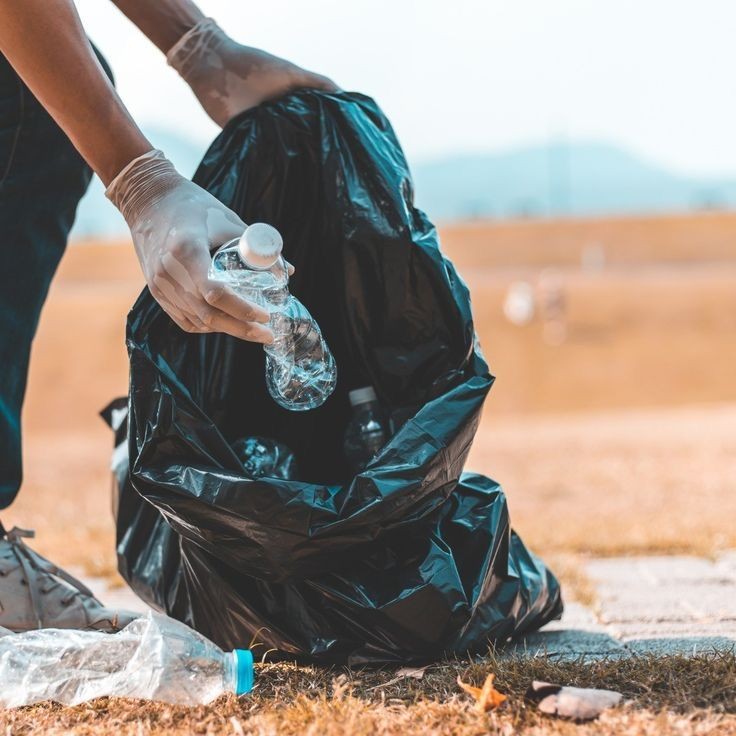
A bottle of water can be finished in minutes. A nylon bag may be used once and thrown away. A food wrapper can end up on the ground almost as soon as the food is gone.
But where does all that plastic go?
Plastic has become a normal part of our everyday lives. We see it in water bottles, sachets, nylon bags, food containers and wrappers. The problem is not simply using plastic. The real problem is what we do with it after use.
When plastic is thrown on the streets or into gutters, it can block drainage channels and make our surroundings dirty. Some of it can also be carried into rivers and other waterways.
This is where young people can make a difference.
It can start with simple choices. Instead of buying a new plastic bottle every time you need water, carry a reusable bottle. Use a shopping bag more than once instead of collecting a new nylon bag every time you buy something. If a container can still be used safely, there is no need to throw it away immediately.
Of course, we cannot avoid plastic completely. Sometimes the drink comes in a plastic bottle or the food comes in a plastic container. But even then, we can choose where that waste ends up.
A plastic bottle belongs in a proper waste bin or recycling point where available, not in a gutter, on the roadside or in a waterway.
Young people can also influence others. Students can encourage their friends to reduce plastic use, organise clean-up activities, share useful environmental messages online and support recycling efforts in their communities.
It may seem like one bottle or one nylon bag doesn’t matter. But imagine thousands of people making that same small choice every day.
That is how change begins.
The next time you finish a bottle of water or receive something in a nylon bag, don’t just ask, “Where can I throw this?”
Ask: “Do I really need to throw this away, and if I do, where should it go?”
A cleaner environment starts with the little things we choose to do every day.